
How it works
Five phases,one agent watching.
Every property runs the same way: something is flagged, a person decides whether it matters, and what happens next depends on what they decide. These are the five phases of that, and what sits under each of them.
Detection
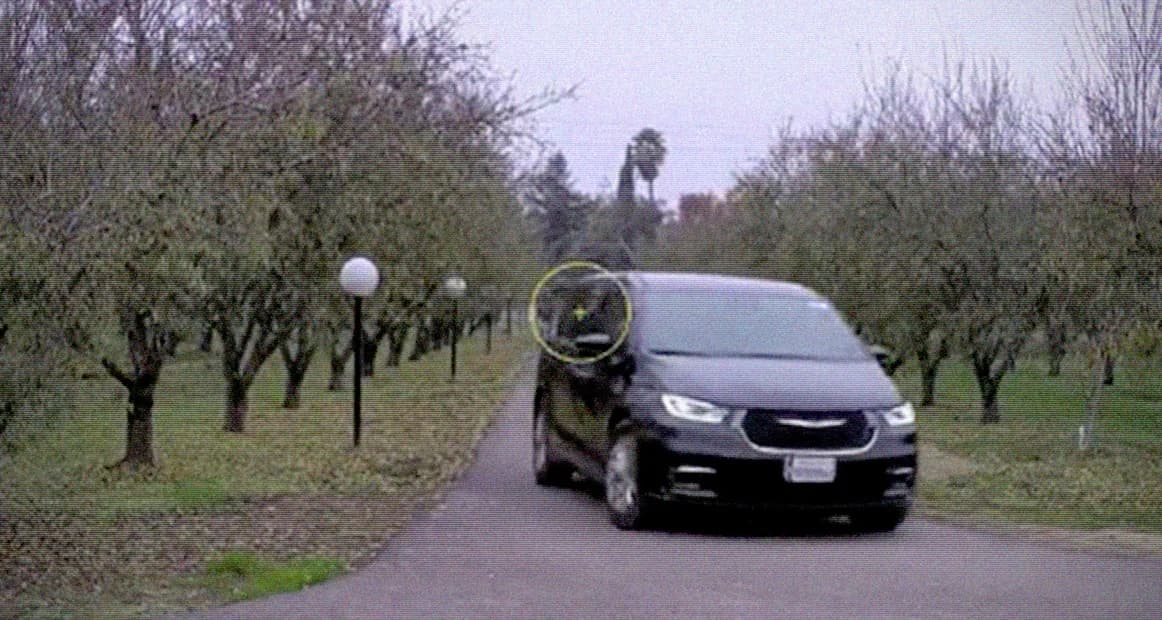
The software flags an unfamiliar vehicle, plate, or person. An experienced former law enforcement agent determines whether it matters—because detecting something unusual is easy. Knowing what it means takes experience.

24/7 Live Monitoring
Not a recording anyone reviews afterwards. An agent is watching the feed at three in the morning, and the difference between a camera and a person watching a camera is that only one of them can act while it still matters.

Precursor & Plate Intelligence
Crews case a property before they take it. The same vehicle on a street it has no reason to be on, twice in a week, is the part that shows up before anything happens — and it only reads as a pattern to someone who has worked the crews that make it.
Verification
Cameras, thermal imaging, and an overhead drone when available give the agent a clearer picture. A potential threat is confirmed by a trained person watching it unfold, not by a motion sensor making a guess.
Hardwired & Thermal Systems
Hardwired cameras do not drop off a network at the moment they are needed, and thermal sees what a lens cannot: a person against a hedge at night, in the dark, in the rain. Together they are what turns a maybe into a yes.
Autonomous Drone Coverage
A fixed camera sees where it is pointed. When the property allows it, a drone puts an overhead view on the situation within seconds — which is the view that tells an agent how many there are and which way they are going.
Intervention
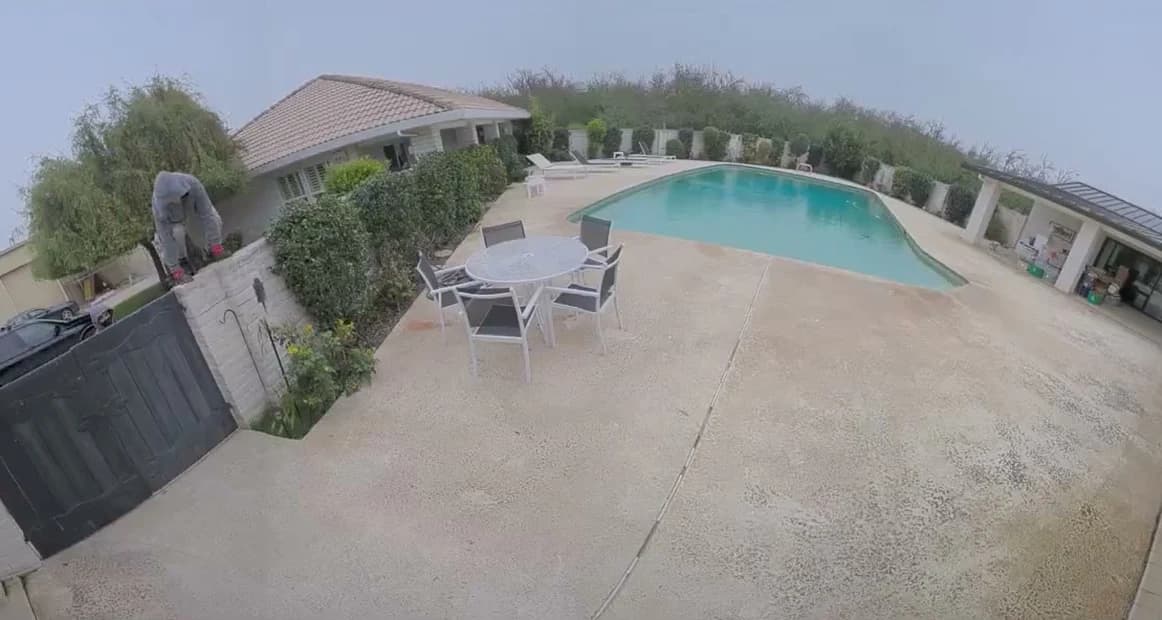
The agent speaks directly to the individual through the property, sounds the siren, or broadcasts a live dispatch call. They now know they’ve been seen, identified, and are being actively monitored.
Most attempts end here, before anything is touched.
Live Voice Intervention
The agent speaks to the person, from the property, by name where there is one. Being seen is one thing; being addressed is another. Most attempts end at this sentence, before anything is touched.
Dispatch
Every E33 agent comes from law enforcement and knows exactly what dispatch needs to hear to get the right response moving.
When a threat is confirmed, our agents don’t wait for a break-in to make the call.
Law Enforcement Coordination
Every E33 agent came from law enforcement, so they know what dispatch needs to hear and in what order to get the right response moving. A confirmed threat is called in as one — not as a homeowner describing a noise.
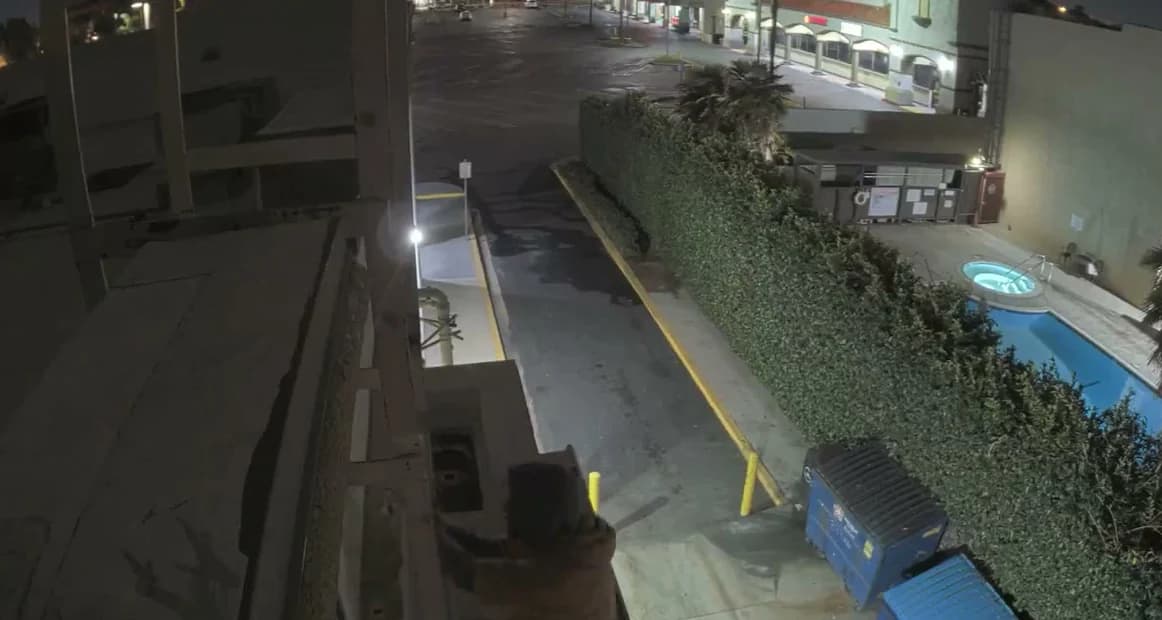
Investigation
Plates. Individuals. Locations. Patterns. Every incident adds to the intelligence we use to understand who is targeting your property and why.
The threat may leave your property. The investigation doesn’t end there.
Post-Incident Investigation
Plates, individuals, locations, patterns. Each incident adds to what we know about who is working your area and why, and that file is what makes the next flag faster. The threat leaves the property; the investigation does not stop there.

A former detective walks the property.
Your property is assessed through the eyes of someone who spent years investigating the crews that target homes like yours.
One scope.One number.
We show you what E33 recommends, what can remain from your existing system, what needs to change, and what your monitoring will cost.
Install. Test.Protect & Monitor.
The system is installed and tested, then your property goes live with E33 monitoring. From day one, you have a direct line to the agents watching your property.